
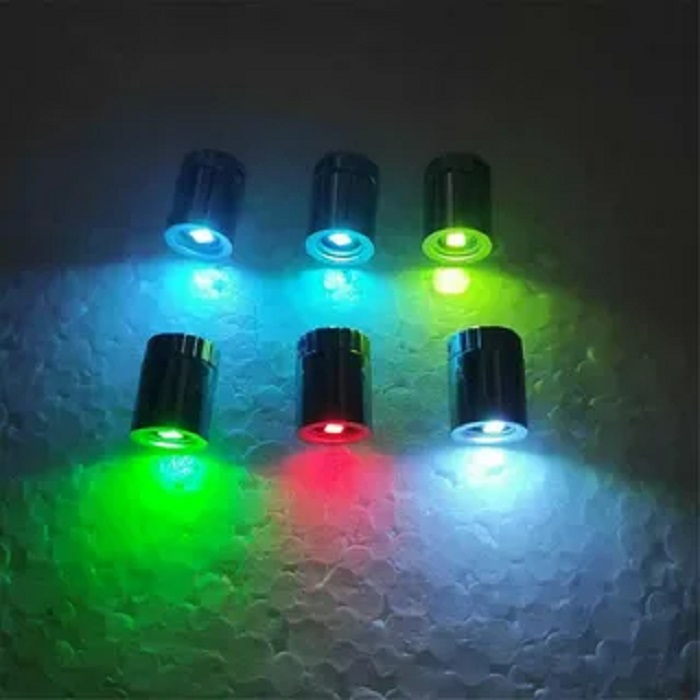
Mini LED lighting is no longer limited to replacing a conventional bulb with a smaller one. Compact LED technology now appears in strips, individual pods, battery-powered units, miniature lamps, and other formats designed for places where standard fixtures are impractical.
That variety is useful, but it also creates a practical question: which type works best for a particular space?
A strip that performs well under a cabinet may be a poor choice for highlighting a single object. A battery light may be perfect inside a wardrobe but inconvenient for an area used for several hours every day. Choosing the right format starts with understanding what each one is designed to do.
LED Strips Work Best When You Need Continuous Light
LED strips are particularly effective when illumination needs to run along a longer surface rather than come from one point.
Common applications include:
- underneath kitchen cabinets
- along shelving
- inside display cases
- behind furniture
- around architectural details
- inside wardrobes or storage areas
The main advantage is consistency. Instead of producing isolated pools of light, a strip can create an even line of illumination across an entire surface.
Visible individual LEDs can sometimes create a dotted appearance on reflective surfaces. Using appropriate diffusion or positioning the strip where the source itself is hidden can produce a cleaner result.
LED Pods Are Better for Focused Illumination
Small LED light pods take a different approach.
Rather than spreading light continuously across a long area, pods create illumination from individual points. This makes them useful when only certain areas need to be highlighted.
They can work particularly well for:
- display cabinets
- collectibles
- shelving compartments
- accent lighting
- small work areas
- decorative installations
Multiple pods can also be positioned separately, allowing more control over where the light falls.
This is useful in irregular spaces where a straight LED strip would be difficult to install or where specific objects need more emphasis than their surroundings.
Battery-Powered LED Lights Solve Wiring Problems
Some locations would benefit from extra lighting but do not have a convenient power connection.
That is where small battery LED lights become especially practical.
Typical applications include wardrobes, cupboards, drawers, temporary displays, storage areas, and other spaces where installing wiring would require unnecessary work.
Their main advantage is placement flexibility. Because they do not depend on a nearby outlet, battery-powered lights can often be installed exactly where illumination is needed.
However, convenience comes with a trade-off.
A light used only occasionally may operate for a long time between battery changes or charges. A light that stays on for several hours every day may become inconvenient to maintain.
For frequently used installations, USB or wired low-voltage options often make more sense.
Individual Mini LEDs Work Well for Crafts and Detailed Projects
Some applications require an even smaller and more precise light source.
Small individual LED lights can be incorporated into crafts, models, decorative objects, miniature displays, signs, and custom DIY projects.
Here, physical dimensions are particularly important. The light must fit within the project without overwhelming the design.
Other considerations include:
- operating voltage
- wiring requirements
- brightness
- color
- heat management
- connection method
RGB mini LEDs can add another level of flexibility when changing colors or decorative effects are part of the project.
For craft applications, planning the wiring and power supply before permanently assembling the project can prevent difficult modifications later.
Choose the Power Source Before Choosing the Fixture
Power requirements can quickly determine which mini LED format is practical.
Battery Power
Best when portability or installation freedom matters more than continuous operation.
USB Power
Useful around desks, entertainment systems, computers, and other locations where USB connections are readily available.
Low-Voltage Wired Lighting
Often better for permanent installations involving several lights or longer operating periods.
Before buying, consider how often the light will actually be used. A battery solution that looks convenient initially may become less practical if it needs constant charging.
Brightness Should Match the Size of the Space
Compact spaces rarely need extreme output.
Inside a cabinet or display case, excessive brightness can create glare and harsh reflections. On a work surface, however, insufficient output can make the light ineffective.
Lumens provide a more useful comparison than simply looking at wattage.
Light distribution matters too. A small concentrated source can appear much brighter at one point than a more diffused source with similar total output.
For decorative applications, softer diffusion often produces a more polished appearance.
Color Temperature Changes the Result
Warm light tends to complement wood, decorative objects, and relaxed interiors.
Neutral white often works well for general-purpose shelving and cabinets, while cooler light may suit workspaces or installations where visibility is the priority.
RGB lighting is more appropriate when color itself is part of the design.
Whatever the choice, try to consider nearby lighting. A miniature installation can look disconnected from the room if its color temperature is dramatically different from everything around it.
Match the Format to the Job
The easiest way to choose mini LED lighting is to define the problem first.
Use strips when you need continuous coverage. Choose pods when individual areas need focused illumination. Battery-powered lights work best where wiring is inconvenient, while individual LEDs are particularly useful for crafts and custom installations.
Consumers planning several small-space lighting projects may find it useful to compare different compact accent lighting options before deciding which combination of strips, pods, lamps, or portable lights best suits
each area.
Small Lighting Works Best When It Stays in the Background
Good compact lighting usually makes the space more noticeable rather than the fixture itself.
A concealed strip can make a shelf appear brighter without drawing attention to the LEDs. A small pod can highlight an object without becoming the focal point. Battery lighting can make a cabinet easier to use without requiring visible wiring.
The best results generally come from matching the format, brightness, power source, and placement to the specific application instead of choosing one type of mini LED for every situation.
For consumers comparing these formats, LEDLights.io offers mini LED lighting options including strips, compact lamps, battery-powered designs, pods, and other solutions for small-space and accent-lighting applications.