
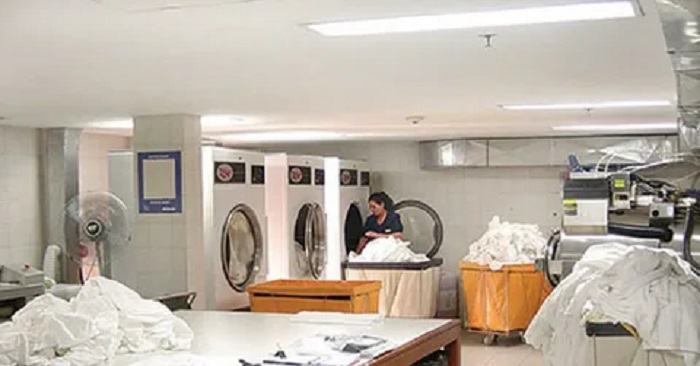
The first sign of a poor match is often blamed on the product: not enough power, an awkward fit, inconsistent output or disappointing service life. In hospitality and retail home textiles, the cause is frequently the surrounding setup. Hotel linen is judged after dozens of washes, not under showroom lighting. Shrinkage, seam twisting and colour loss can turn an approved sample into an operational headache.
Read beyond the protein number
The avoidable mistake is approving color and hand feel without testing shrinkage, stain release, seam strength, colorfastness and repeat-lot consistency. Before comparing products, sketch the surrounding system: available space, incoming material or information, the people using it, the busiest normal day and the cost of a poor result. This turns a vague preference into a brief that another person can verify.
The distinction is practical rather than academic: it changes what should be measured before money is committed. A good conversation should narrow the choice, not add more impressive-sounding features.
What to record before approval
- Fiber content and fabric weight: Use restaurant table linen as the reference point for fiber content and fabric weight. It gives the supplier a concrete setting and makes a later acceptance discussion far less subjective.
- Shrinkage after repeated washing: Check shrinkage after repeated washing together with fiber content and fabric weight; reviewing either item alone can hide a compromise that appears only when the complete setup is running.
- Colorfastness and stain treatment: Ask for the normal range of colorfastness and stain treatment, then ask what happens just outside it. The second answer often reveals how gracefully the product handles everyday variation.
- Seam construction and size tolerance: Write one pass-or-review rule for seam construction and size tolerance. It need not be complicated, but it should be clear enough that a colleague can reach the same conclusion.
- Labeling, folding and carton assortment: Labeling, folding and carton assortment comes first because it affects fiber content and fabric weight. Define an acceptable result for bath mats and shower curtains rather than borrowing a number from an unrelated project.
Restaurant table linen, bath mats and shower curtains and bedding programs for hotels may all use products from the same category, but they do not place the same demands on design, setup or support. Rank the five points above for the intended application; do not give them equal weight merely because they appear in the same list.
A quick scenario check
Picture the product in restaurant table linen. Now change the setting to bath mats and shower curtains. The specification may be unchanged, but the priority, operator behaviour and acceptable compromise can move considerably. Finally consider bedding programs for hotels: what would have to be adjusted, documented or supported for the same choice to remain sensible? Walking through those three situations is a useful way to uncover an assumption that a generic comparison misses.
A sensible next conversation
Bring the real application, the top risks and the unanswered questions when speaking with home textile manufacturer China. Ask which parts of the brief are routine, which require adaptation and what should be verified before the final commitment.
A strong decision is not the option with the longest specification sheet. It is the one whose behaviour, limits and support fit the work closely enough that the team can use it with confidence. Keep the brief specific, test the difficult parts and preserve the evidence behind the approval.