
Designing or renovating a home is a major project. It involves dozens of decisions, from choosing the right layout and lighting to selecting flooring, furniture, colours and materials. While many homeowners begin with a clear vision of what they want, turning that vision into a practical and cohesive interior can be much more difficult than expected.
This is why working with a professional can be so valuable. An experienced designer can transform ideas into a detailed plan, help avoid expensive mistakes and coordinate the many elements that make up a successful interior.
But how do you know which professional is right for your project? Before you hire an interior designer, it is important to understand what services you actually need, what questions to ask and what to expect from the design process.
Why Work With an Interior Designer?
Interior design is much more than choosing attractive furniture and matching colours. A professional designer looks at the entire space and considers how it will function in everyday life.
The layout of a room can influence everything from comfort and storage to lighting and movement. A poorly positioned wall, kitchen island or piece of furniture can create problems that become expensive to correct later.
An experienced designer approaches the project as a whole. They consider the architecture of the property, the client’s lifestyle, available space, technical requirements and aesthetic preferences.
This holistic approach helps create interiors that are not only visually appealing but also practical.
For example, a beautiful living room may look impressive in photographs, but if there is nowhere to store everyday items or the circulation between the sofa and dining area is uncomfortable, the space will quickly become frustrating.
Good interior design combines beauty with functionality.
Start With Your Own Requirements
Before contacting a designer, it is useful to think about your priorities.
You do not need to know exactly what your finished home should look like. In fact, one of the reasons to work with a professional is to help develop that vision. However, you should have a general idea of what you want to achieve.
Consider how you use your home.
Do you work remotely? Do you entertain guests frequently? Do you need a large kitchen? Is storage important? Are there children or pets? Do you prefer open-plan spaces or clearly separated rooms?
Your answers can help the designer understand your lifestyle.
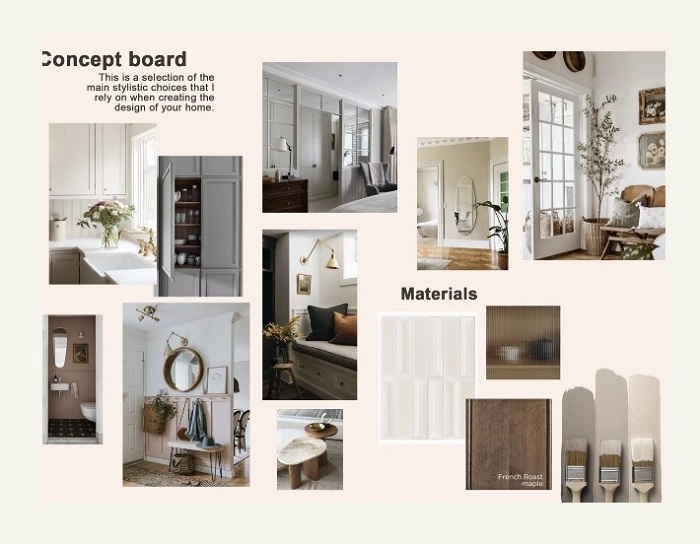
It is also useful to collect examples of interiors you like. Photographs, magazine pages and online references can communicate preferences that are sometimes difficult to describe with words.
You may not know why you like a particular room, but a professional can identify patterns in your choices. Perhaps you consistently prefer natural materials, warm lighting, minimalist furniture or neutral colours.
These observations can become the foundation of the design concept.
Look Beyond Beautiful Portfolio Images
A designer’s portfolio is an important starting point, but it should not be the only factor in your decision.
Photography can show you the final appearance of a project, but it does not necessarily show how the project was developed.
When comparing designers, look for evidence of different types of work. A strong portfolio may include apartments, houses, renovations and projects with different architectural characteristics.
Pay attention to the quality of the layouts and not only the decoration.
Ask yourself whether the spaces look comfortable and realistic. Is the furniture proportionate to the rooms? Does the lighting appear carefully considered? Is there enough storage? Do the materials work together?
A good portfolio should demonstrate problem-solving ability as well as visual creativity.
Understand What Services Are Included
Interior design studios can offer very different levels of service.
Some professionals provide consultations and basic concepts. Others create complete design projects with detailed drawings, 3D visualisations, material specifications and furniture selections.
Some studios also provide renovation management and site supervision.
Before starting, make sure you understand exactly what is included in the service.
For example, does the project include:
- Space planning?
- Furniture layouts?
- Lighting design?
- Electrical plans?
- Material specifications?
- 3D visualisations?
- Technical drawings?
- Custom furniture design?
- Contractor coordination?
- Site supervision?
- Assistance with purchasing materials and furniture?
There is no universally correct level of service. The right choice depends on the complexity of your project.
A small room refresh may require only a consultation and concept. A complete apartment renovation will usually require much more detailed planning.
Budget Should Be Discussed Early
Budget is one of the most important subjects to discuss with a designer.
You do not necessarily need to know the exact cost of every item before the project begins. However, providing a realistic budget range can help the designer make appropriate decisions.
A designer who knows the financial limitations of the project can recommend suitable materials, furniture and solutions.
This is particularly important because interior projects can involve many hidden costs. Construction work, electrical changes, plumbing, custom furniture, lighting and installation can all affect the final budget.
A professional designer can help identify priorities and allocate resources where they will have the greatest impact.
For example, investing in a high-quality kitchen may be more important to one client, while another may prioritise lighting, flooring or custom storage.
The design should reflect those priorities.
Ask About the Design Process
Every professional has a slightly different workflow.
A typical project may begin with an initial consultation and property analysis. The designer then develops one or more layout options and creates a visual concept.
After the general direction is approved, the project may move into detailed drawings, material selection and 3D visualisation.
The final stage can involve technical documentation and preparation for construction.
Ask the designer to explain this process before you begin.
You should understand what happens at each stage, when you will review the work and how feedback will be handled.
A clearly structured process reduces uncertainty and helps prevent delays.
Communication Matters
Even the most talented designer will struggle to create a successful project without good communication.
The designer needs to understand your expectations, while you need to feel comfortable asking questions and providing feedback.
This does not mean you should control every design decision. One of the benefits of hiring a professional is receiving expert recommendations.
However, the designer should be able to explain why a particular solution is being proposed.
For example, if they recommend changing the position of a kitchen or removing a wall, you should understand the functional or architectural reason behind the suggestion.
Good communication creates trust.
This becomes even more important when the project is managed remotely. Video calls, digital presentations, shared documents and online approvals can make remote collaboration highly effective when the workflow is organised properly.
Consider Technical Expertise
A designer’s aesthetic skills are important, but technical knowledge is equally valuable.
Interior projects often involve lighting, electrical systems, plumbing, construction details and custom furniture. A designer needs to understand how these elements interact.
A beautiful concept that cannot be built is not a successful design.
Technical drawings provide contractors with the information they need to implement the project accurately.
This is one reason why professional interior design can save money in the long term. Careful planning can identify potential problems before construction begins, when changes are still relatively easy to make.
Think About Your Lifestyle, Not Just Trends
Interior trends change constantly.
One year a particular colour may be extremely popular, while a few years later another style dominates social media.
It can be tempting to design your home around current trends, but this may result in an interior that quickly feels dated.
A better approach is to create a timeless foundation and introduce trends through elements that are easier to change.
Furniture, artwork, textiles and accessories can often be updated without renovating the entire room.
The architecture, layout and main finishes should ideally reflect the character of the property and the people who live there.
A professional designer can help balance current inspiration with long-term practicality.
Working With an Interior Designer Remotely
Modern technology has changed the way interior design services are delivered.
Clients no longer necessarily need to visit a design studio several times during a project. Meetings can take place online, while plans, visualisations and specifications can be shared digitally.
This can be especially useful for homeowners who live in another city or country.
Remote design is also valuable for people purchasing property before moving. They can begin planning the interior before they are physically living in the space.
For international clients, working with a designer who understands local suppliers and construction practices can make the renovation process significantly easier.
The key is to have a clear workflow and reliable communication.
What Questions Should You Ask Before Starting?
A first consultation is an opportunity to determine whether the designer is suitable for your project.
Useful questions include:
How many similar projects have you completed?
What services are included?
How does your design process work?
How many revisions are included?
Will I receive technical drawings?
Do you provide 3D visualisations?
Can you help with material and furniture selection?
Do you work with contractors?
Can you provide renovation supervision?
How do you communicate with clients?
What is the expected timeline?
How are additional costs handled?
These questions are not about testing the designer. They are about making sure both sides have the same expectations.
A Professional Designer Should Solve Problems, Not Create Them
Renovation is rarely completely predictable. Unexpected technical issues, delivery delays or changes in material availability can occur.
The value of an experienced designer becomes particularly clear when something does not go according to plan.
A professional can help evaluate alternatives, adjust the design and keep the overall concept coherent.
For example, if a selected material becomes unavailable, the solution should not simply be to choose something random. The replacement should work with the existing colour palette, textures and architectural concept.
This kind of problem-solving is an important part of professional design.
Making the Right Choice
Choosing an interior designer is ultimately about finding someone who understands both your vision and the practical requirements of your property.
The right professional should combine creativity with technical knowledge, communication skills and an organised approach to project management.
A successful interior does not happen because one person selects beautiful furniture. It happens because hundreds of small decisions are coordinated into one coherent result.
From the first layout to the final material selection, every element should support the same overall idea.
If you are planning a renovation or designing a new home, working with a professional studio can make the process more structured and predictable. Rony Büro offers interior design services for residential projects, combining creative concepts with technical planning and renovation support for clients in Belgium, the Benelux and beyond.
You can explore their approach and services at hire an interior designer.