
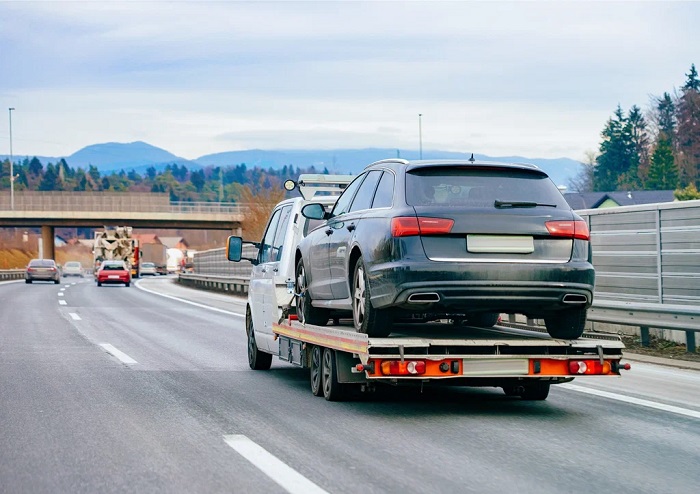
Vehicle towing is an important procedure that can arise for various reasons: parking violations, technical malfunctions, or the need to move a vehicle due to an accident. To ensure a quick and trouble-free towing, it is necessary to follow certain requirements and recommendations. An important step is to call a tow truck on tow truck Guelph through trusted services, which ensures the process is quick and safe.
Proper preparation and knowledge of basic towing rules will help avoid unnecessary costs and unpleasant situations. Consider the specifics of the chosen transportation method, prepare the necessary documents, and ensure the necessary permits are in place. Compliance with these requirements will ensure the towing is as efficient and stress-free as possible.
Key Requirements for Proper Vehicle Towing in Emergencies
In emergencies such as fire, flood, or accidents, proper vehicle towing plays a vital role in ensuring the safety of passengers and rescuers. The process must be organized according to certain standards to avoid additional hazards and expedite rescue operations.
Important aspects include timely notification of personnel, the use of evacuation signs and special equipment, and adherence to a sequence of actions to minimize the risk of injury and damage to vehicles.
Requirements for organizing evacuation measures
Planning: An evacuation plan must be developed and agreed upon in advance, including routes, assembly points, and personnel responsible for coordinating.
Safety: The evacuation must be carried out without the use of hazardous methods, in compliance with safe work practices, and taking into account possible obstacles.
Route and zone designation: All evacuation routes must be clearly marked with signs, free of obstacles, and well lit.
Training and drills: Regular training of personnel helps improve their preparedness for action in Emergencies.
Evacuation Tips
- Act quickly and calmly, avoiding panic.
- Follow pre-agreed routes and directions.
- Use available communication tools to coordinate actions.
- Ensure the safety of all participants and provide assistance to victims if necessary.
- After the evacuation, take inventory and monitor the condition of each passenger and vehicle.
Final Steps Before Calling a Tow Truck
Before calling a tow truck, record the exact location of the vehicle and provide all necessary information to the dispatcher. It is also advisable to prepare proof of ownership or a rental agreement, if required by the situation. Following these steps will help make the evacuation process faster and safer for everyone involved.
Practical Recommendations for Safe Driving During an Evacuation
Following these practical recommendations will not only help you avoid various unpleasant situations but also ensure that you can take the necessary actions in a timely manner under increased stress and limited visibility.
Basic Recommendations for a Safe Evacuation
- Plan your route in advance – familiarize yourself with the roads and the chosen route before the evacuation begins.
- Check the technical condition of your vehicle – make sure the engine, brakes, lights, and necessary documents are working.
- Keep a first aid kit and tools in the vehicle – this will help in case of unforeseen situations.
- Monitor the traffic situation – pay attention to signs, signals, and other road users traffic.
- Observe the speed limit and keep a safe distance to avoid accidents and maintain control of the vehicle.
- Use mirrors and signaling properly to promptly inform other road users of your actions.
- Be prepared for emergencies – remain calm and make decisions based on the current situation.
Proper driving during an evacuation depends on thorough preparation, responsibility, and a calm driver. Following recommendations helps ensure safety, minimize risks, and successfully complete the evacuation process.
The main thing is to remain attentive, adhere to traffic rules, and respond promptly to changing situations. Thorough preparation and responsible behavior are the key to your safety and success evacuation measures.