
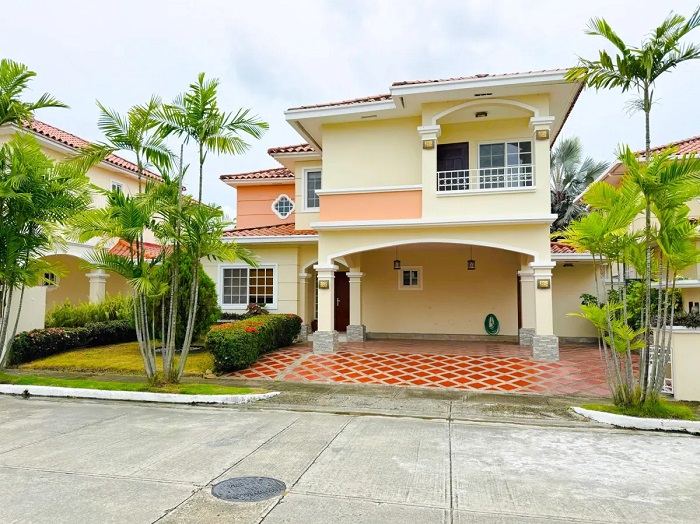
Panama attracts property buyers with a stable economy, convenient logistics and a variety of offers: from urban apartments in Panama City to houses in the mountains and villas by the ocean. However, a successful transaction here requires an understanding of local regulations, verification of documents, and a correct assessment of the location, taking into account the climate, infrastructure, and goals of the purchase.
The choice of an object begins with the definition of a scenario: moving to permanent residence, investing in rent, a “second home” for recreation or saving capital. Priorities vary for each scenario, from transport accessibility and medicine to potential profitability, liquidity, and maintenance costs.
The purchase process: documents, calculations and legal protection
The key stage is the legal verification of ownership rights, absence of liens, arrests, debts and other encumbrances. They separately check the correctness of the site boundaries, the compliance of the actual building with the documents and the availability of permits if it is a question of new construction or reconstruction.
Arrangements, deposit and payment procedure
A transaction usually involves agreeing on terms, making a deposit, preparing a contract, and closing a transfer of rights transaction. It is important to determine in advance what is included in the price (furniture, appliances, parking, storage room), who pays the fees and what time frame the facility will be vacated. To reduce risks, payments are made through secure transfer mechanisms with fixed transfer conditions.
- Determining the budget, taking into account the costs of registration and maintenance.
- Selection of objects and initial verification of documents.
- Agreeing on prices and conditions, fixing agreements.
- Legal review and preparation of a package of documents.
- Closing of the transaction, registration actions and transfer of the object.
Post-purchase expenses and financial planning
In addition to the purchase price, consider regular payments: utilities, maintenance of the territory and the house, condominium fees, insurance, repairs, as well as the cost of managing the facility when renting. For an investment model, calculate a realistic rental rate, seasonality, and downtime in advance to estimate the net return.
When choosing mountainous areas and cooler climates, many consider areas like real estate for sale boquete panama as a benchmark for market analysis: it is important to compare not only prices, but also transport accessibility, communication quality, medical infrastructure, and the actual cost of operating a home in a particular area.
Bottom line: a competent purchase of real estate in Panama is based on a clear goal, careful choice of location, technical verification of the object and legal protection of the transaction. The more accurately you estimate the costs, ownership rules and prospects of the area in advance, the more likely it is that the property will be comfortable to live in and understandable in terms of ownership economics.
Which regions of Panama are suitable for different purposes: permanent residence, vacation, rent, investment
The choice of a region in Panama determines not only the comfort of life, but also the liquidity of the facility, the seasonality of demand, the level of operating costs and the prospects for price growth. The same apartment by the ocean can be a great option for a vacation, but it is weaker to work in a long-term lease, whereas housing in the capital often benefits from the stability of cash flow.
A practical approach is to first fix the goal (permanent residence, recreation, rent, investments), then compare it with the infrastructure, accessibility of medicine/schools, transport, legal nuances of a particular the object and the actual indicators of delivery. Below are the guidelines for the regions that foreign buyers most often choose.
Regions and goals: a short selection map
- Panama City is the basic choice for permanent residence and long-term rentals: infrastructure, employment, stable demand.
- Pacific Coast beach resorts are great for vacations and short–term rentals, but require calculation of seasonality and maintenance costs.
- Boquete (mountainous region) – suitable for quiet permanent residence and a “second home” due to the mild climate and community; demand is often not as “fast” as in the capital.
- Bocas del Toro is a resort/lifestyle with potential in tourism, but it is important to take into account logistics, humid climate and specific requirements for the operation of facilities.
- Formulate the purpose of ownership: to live, come, rent, resell or combine.
- Check the economics: profitability after expenses (HOA, management, repairs, taxes, downtime), and not “in advertising”.
- Evaluate the liquidity: who will you sell the facility to in 3-7 years and how will it be competitive?
- Compare the legal and operational risks: title, lease restrictions, building condition, quality of service, insurance.
Bottom line: there is no universal “best” region in Panama – there are locations that are better suited to a specific task. For predictability and convenience, they often choose Panama City; for recreation and tourist model – beach and island destinations; for a relaxed lifestyle – mountainous areas like Boquete.
The right strategy is to start with a goal and a financial model, then choose an area and facility that match it in terms of infrastructure, demand, and manageability of costs. Then buying a property in Panama becomes not an emotional decision, but an understandable project with a predictable result.