
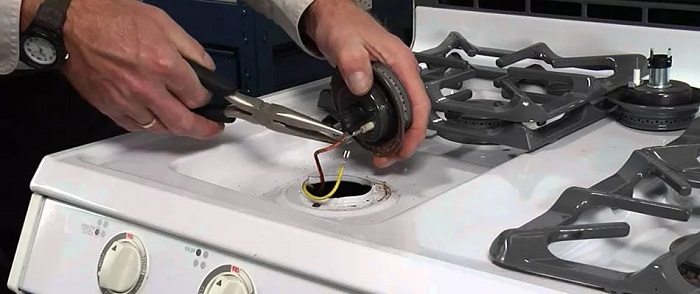
Gas furnace repair is an important task that requires compliance with all technical requirements and safety regulations. Proper maintenance and timely heater repair service ensure reliable operation and the safety of occupants. This article discusses the key steps, procedures, and standards that must be followed when repairing a gas furnace.
Mandatory Requirements for Tools and Materials for Equipment Repair
When repairing a gas furnace, it is important to use only appropriate, certified tools and materials to ensure the safety and efficiency of the work. Tools must be high-quality, have certificates of conformity, and be designed for use with gas equipment.
Materials used during repair must meet the manufacturer’s technical requirements, have quality certificates, and be compatible with the design features of the gas furnace. Poor-quality materials can lead to rapid wear or hazardous situations during operation.
Tool Requirements
- Dielectric screwdrivers and wrenches – for safe handling of gas connections.
- Pressure gauges and gas regulators – for accurate pressure measurements and adjustments.
- Gas analyzers – for leak detection and furnace performance monitoring.
- Measuring instruments – for checking equipment operating parameters.
Material Requirements
- Gas fittings – only original or compatible in terms of technical specifications.
- Gaskets and seals – made of high-temperature and gas-impermeable materials.
- Additional materials – heat-resistant paste, anti-corrosion agents designed for gas Equipment.
- Safe welding and assembly materials – for reliable and durable component assembly.
Troubleshooting: How to Properly Identify a Fault Without Compromising Safety
Before beginning troubleshooting, ensure the gas furnace is turned off and completely de-energized. Use only approved tools and observe all safety precautions to avoid accidents and ensure safe troubleshooting.
Basic Steps for Troubleshooting a Gas Furnace
- Visual Inspection and Leak Check – Ensure there is no visible damage or gas leaks. Check rubber and metal connections for leaks.
- Gas and electricity supply check – ensure the gas valve is working properly, there is pressure in the system, and the electrodes and circuit breakers are operating correctly.
- Analysis of automation and safety systems – check the condition of the thermocouple, sensors, and circuit breakers. If the automatic shut-off system fails, contact a specialist.
- Diagnosing by Symptoms
- Ignition problems – possible electrode or gas supply system malfunction.
- Continuous shutdown – check the operation of the flame control and safety systems.
- Insufficient power – possible clogged nozzles or gas pressure problems.
Safe Diagnostic Recommendations
- Never use an open flame to search for gas leaks – use a soap solution or special leak detection tools.
- Always turn off the gas and electricity before beginning diagnostics unless you are performing electrical or gas supply related tests.
- If leaks are detected or a malfunction is suspected, call immediately A specialist.
- Remember that improper diagnosis can lead to dangerous consequences, so entrust the work to professionals when necessary.
Correct and safe troubleshooting is the key to the longevity and reliable operation of your gas furnace. Following the rules and exercising caution can help avoid many risks and promptly resolve the problem, maintaining the safety of your home and life.