
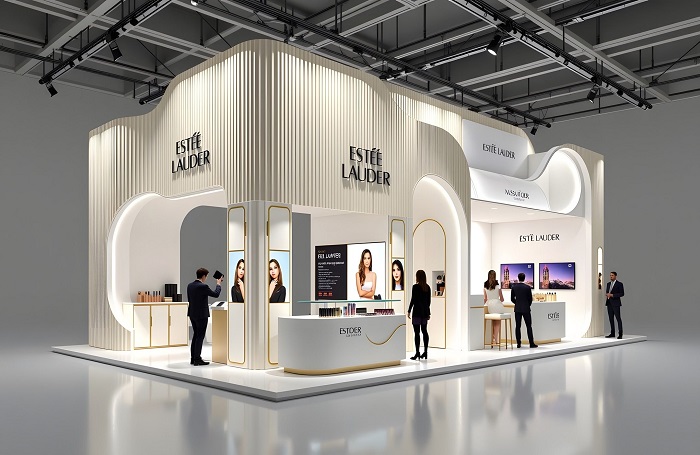
In the high-stakes arena of trade shows, your exhibition booth is your silent salesperson. It’s the first impression that hooks passersby amid a sea of competitors, turning casual glances into meaningful conversations and leads. A standout booth design isn’t just visually appealing—it’s a strategic powerhouse blending branding, functionality, and psychology to maximize ROI. Whether you’re unveiling a 10×10 booth for a startup pitch or a custom 20×20 setup for a major expo, thoughtful design dictates foot traffic and conversions.
Gone are the days of static sketches and costly revisions. Modern tools empower you to visualize, iterate, and perfect your booth in 3D before a single panel is built. Platforms like RoomToDo’s Exhibition Booth Planner let you experiment with layouts, materials, and lighting in real-time, ensuring your vision translates seamlessly to the show floor.
Key Principles of Effective Booth Design
Start with audience psychology. Busy attendees scan booths in seconds, so prioritize bold visuals and clear messaging. Use high-contrast colors, oversized graphics, and dynamic lighting to create focal points. For a tech convention like CES, incorporate interactive elements like touchscreens or LED walls to draw crowds.
Scale matters by event geography. In North American hubs like Las Vegas or Chicago, competition is fierce—opt for modular designs that scale from 10×10 to larger formats. European shows demand sleek, minimalist aesthetics, while Asian expos favor tech-forward, immersive experiences. Always factor in booth size: 10×20 designs offer double the space for demos without overwhelming small footprints.
Functionality drives engagement. Beyond aesthetics, ensure flow: wide aisles for navigation, ergonomic demo stations, and hidden storage. Test sightlines—your star product should shine from 20 feet away. Specify materials wisely: matte finishes reduce glare, while metallic accents add premium flair.
From Concept to Construction: A Streamlined Workflow
- Conceptualize digitally: Sketch rough ideas, then model in 3D. Play with textures—polished concrete vs. warm wood—and lighting Kelvin ratings for mood.
- Iterate collaboratively: Share live renders with your team or booth builders. Tools generate precise blueprints, material lists, and even VR walkthroughs, slashing revision costs.
- Hand off professionally: Export fabrication-ready files for trade show booth design companies. This minimizes on-site tweaks, vital for tight timelines.
Pro tip: For niche needs, like retail booth designs or industrial paint booth layouts, simulate real-world constraints such as equipment spacing or compliance.
Top Tips for Booth Success
- Incorporate storytelling: Weave your brand narrative through modular graphics that change per campaign.
- Leverage multisensory appeal: Add subtle scents, sounds, or textures to deepen immersion.
- Measure and optimize: Use booth analytics—track dwell time and leads—to refine future designs.
- Sustainability edge: Opt for reusable modular elements; eco-conscious attendees notice.
- Budget smartly: 3D planning cuts waste by 30-50%, freeing funds for premium builds.
Custom or modular? Customs shine for unique branding but cost more; modulors offer flexibility for multi-show reuse.
Beyond Trade Shows: Versatile Applications
These principles extend to retail pop-ups, corporate events, or even permanent installs. A Vancouver retailer might model fixture flows, while manufacturers simulate complex machinery setups.
In summary, masterful exhibition booth design transforms events from expenses into lead engines. Embrace 3D tools to outpace rivals, deliver flawless executions, and captivate audiences. Your next booth isn’t just a stand—it’s your competitive superpower. Start planning today and watch your ROI soar.