
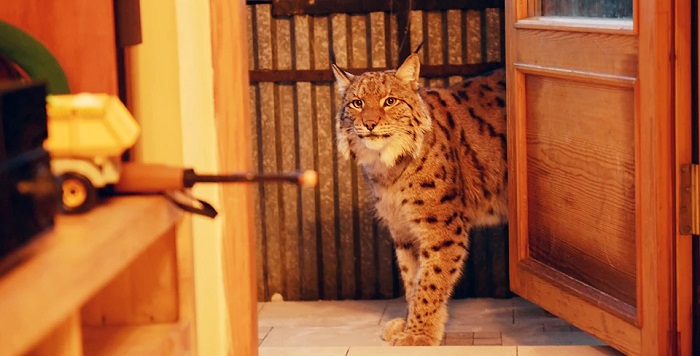
An unexpected encounter with wild animals in the house is a situation that requires calmness and quick but safe action. It is important to assess the risks to people and pets, not try to catch or chase the animal away with your hands, restrict access to the room and allow the animal to retreat without panic in order to reduce the likelihood of aggression and injury.
Further steps depend on the type of animal and the circumstances of its appearance: it is necessary to fix the traces of penetration, block the paths to food and water, and if there is a threat of bites, injuries or suspected illness, contact trapping services or animal control specialists. The problem of wildlife in rental housing is particularly relevant for tenants, when it is required to simultaneously comply with the rules of the lease agreement and promptly interact with the landlord to eliminate the causes of intrusion.
How to recognize the type of animal and assess the threat without approaching
First, keep your distance and watch from a safe place: from behind the door, through the window, or from hiding in the next room. It is important not to try to “check closer”, because even a small wild animal can bite or scratch in fear, and a sudden movement of a person often provokes a rush or an attempt to break through.
An assessment of the type and risk can be made based on signs that are visible and audible at a distance: size and silhouette, mode of movement, sounds, footprints and a characteristic smell. If you capture the signs immediately in your head (or write them down briefly), it will be easier to explain the situation to specialists later and avoid mistakes when acting independently.
Signs by which an animal can be recognized from afar
Look at the silhouette and proportions: the length of the tail, the shape of the head, the height at the withers, the presence of noticeable ears or a “mask” on the muzzle. Pay attention to the gait: jumping (often in small martens), short runs with stops (nervous examination of the territory), smooth gliding movements (in animals accustomed to narrow spaces).
-
- Coat and coloration: contrasting stripes/spots, plain dark coat, pronounced “mask” on the muzzle, light belly.
- Tail: fluffy “panicle”, thin and long, short, with or without rings; tail position (lowered, raised, fluffed).
Sounds: hissing, growling, chirping/rasping, screeching, frequent snorting; intensity and repeatability of sound.
- Traces of presence: scratches on doors/ skirting boards, gnawing, scattered insulation, droppings, feathers, tufts of wool.
If the animal is out of line of sight, evaluate by indirect signs: the rhythm of noises (periodic rustling in one place is more common for a hiding animal; rapid movement through rooms is more common for a panicking one), the height of the sound source (floor/ walls/ceiling), as well as by how pets react (tense stance and a fixed gaze may indicate the presence of a predator).
How to assess a threat based on behavior and environment
The threat is determined not only by the species, but also by the condition of the animal. The most dangerous situations are when an animal is cornered, protects its cubs, or behaves inappropriately. Without approaching, assess whether he keeps his distance, is looking for a way out, shows aggression (fluffing his fur, arched back, flattened ears, snarls, short lunges), or looks disoriented (shaky gait, aimless circling, lack of reaction to obstacles).
- High risk: the animal lunges, does not retreat when you appear at a distance, is trapped in a small space, actively defends itself, growls/ screams are heard, wounds or heavy salivation are noticeable.
- Medium risk: the animal rushes nervously, tries to hide, may bump into objects, periodically “checks” you with its eyes and stays close to a potential hiding place.
- Low risk: the animal calmly looks for a way out, avoids contact, does not show threat and does not approach people.
Additionally, consider the location of detection: in the kitchen (food odors attract), in the basement/attic (frequent shelters), in the nursery or near the place of sleep (you need to limit people’s access faster). If the animal is located next to the only exit from the room, the risk is higher.: it may try to break through as you move. The smaller the space and the fewer escape routes, the more important it is to keep your distance and not block the opportunity for the beast to escape.