
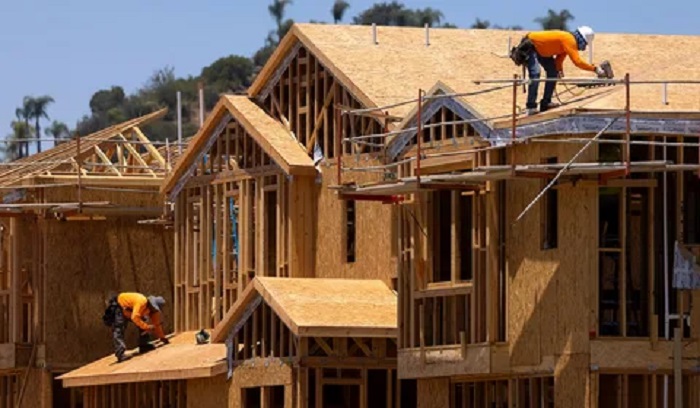
Texas is a popular destination for those looking to build a home from scratch: it offers abundant land, diverse climate zones, and a wide range of construction technologies, from classic frame construction to brick and stone homes. However, construction regulations, timelines, and costs vary significantly depending on the county, site type, and chosen design.
To avoid budget overruns and protracted approvals, it’s important to understand local codes, utility systems, soil conditions, and weather-related risks in advance. Below are key points to help you plan your construction and make practical decisions.
Cost and Timeline: What Determines the Budget
The final price depends on the area, project complexity, finishes, labor costs in a specific region, utility connections, and code requirements. It’s important to keep in mind that costs extend beyond the shell and include site preparation, permits, engineering work, landscaping, and unexpected expenses.
The search term “building a house cost in Texas” often yields average figures, but a more accurate estimate is based on the site-specific estimate and material specifications. In practice, the most significant factors influencing cost are the foundation (especially on difficult soils), roofing, windows/doors, utilities, finish level, and utility connection costs.
Practical advice: Include a reserve for unexpected expenses and design changes, and separately factor in utility connection costs and stormwater drainage requirements—these often become “hidden” budget items.
Bottom line: Successful home building in Texas begins with the right site, checking local requirements, and making smart decisions based on the climate and soil conditions. The more accurately you work out the design, estimate, and utility systems before starting, the more stable the schedule will be and the lower the risk of cost overruns.
Site Selection: Zoning, Easements, HOA, Flood Risks, and Soil Quality
The right site in Texas largely determines the budget, timeline, and even the possible uses of the house: from the type of foundation to the requirements for exterior and utility systems.
Before purchasing land, it is important to check legal restrictions and physical characteristics of the area: zoning, easements, HOA regulations, flood risks, and soil quality to avoid expensive rework and unexpected restrictions.
What to Check Before the Deal and Before Design
Zoning and Permitted Use determine what can be built and how The property can be used for residential purposes (a home, an ADU/guesthouse, a home office, a short-term rental, etc.). In Texas, much depends on whether the property is located within city limits, in an ETJ (extraterritorial jurisdiction), or in an unincorporated county area; requirements for setbacks, heights, parking, and utility connections can vary significantly.
Easements restrict the use of a portion of a property: along power lines, water lines, sewer lines, drainage ditches, gas lines, driveways, etc. They can prohibit construction, planting trees, or installing a swimming pool in a certain area. Easements should be verified with the property title and site plan (survey) to avoid losing usable space and avoiding building relocation requirements.
The HOA and CC&R (homeowners association and community rules) may regulate architectural style, façade and roofing materials, color palette, fence height, placement of appliances and solar panels, parking restrictions, boat/trailer storage, and project approval procedures. It’s important to request HOA documents in advance, learn dues, penalties, and the approval process (deadlines and drawing requirements) to ensure construction schedules aren’t delayed by additional approvals.
Flood risks should be assessed not only by official maps but also by local topography and drainage. FEMA zones (including Special Flood Hazard Areas) affect insurance, grade requirements, and engineering design. Even outside the designated zone, a site may be subject to surface runoff after heavy rains. It is useful to check the area’s flooding history, the presence of stormwater infrastructure, runoff direction, and restrictions on backfill/fill soil.
Soil quality and geotechnical risksin Texas are critical: expansive clays are common, affecting cracking and foundation performance. Before finalizing a project, it is recommended to obtain a geotechnical report and select the foundation type (slab, reinforced slab, pier-and-beam, etc.) for specific conditions, as well as assess the need for drainage and soil stabilization.
- Documents: zoning/restrictions, deed restrictions, HOA/CC&R documents, title report, an up-to-date survey.
- Site restrictions: easements, setbacks, building lines, utility protection zones.
- Water: FEMA zones, elevations, surface runoff, drainage presence and condition.
- Soil: geotech report, shrinkage/swelling risk, foundation and drainage recommendations.
Bottom Line: The site must be suitable not only in price and location, but also in restrictions and utility conditions. Checking zoning, easements, and HOA regulations protects against legal restrictions and delays, while floodplain and soil analysis protects against unexpected foundation, drainage, and repair costs. The sooner these issues are resolved (preferably before the purchase or with contingents in the contract), the more predictable the construction of a home in Texas will be.