
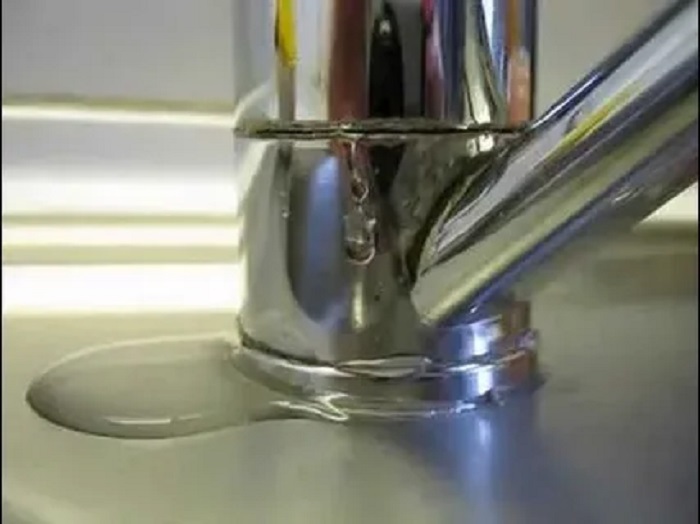
When your faucet leaks, it’s not only an inconvenience but can also lead to more serious plumbing problems. Common causes of leaks include worn seals, improper installation, or damaged internal components. For effective troubleshooting, it’s recommended to contact a professional, such as the best plumber in Calgary, who has the necessary knowledge and experience in plumbing repairs. Proper diagnosis and timely intervention will help prevent further damage and save money.
Replacing Seals: Step-by-Step Instructions and Material Recommendations
When a faucet leaks, worn or damaged seals are often the cause. Replacing them promptly will restore the seal and prevent leaks. Before beginning work, be sure to have your tools ready and select the appropriate materials. The replacement process requires care and an understanding of the faucet’s design to avoid damage.
To replace seals, it’s important to know the basic materials they are made of and the correct procedure. Selecting the right materials will ensure the longevity of your repair and prevent recurring leaks. Below are step-by-step instructions and recommendations for choosing seal materials.
Step-by-Step Instructions for Replacing Seals
- Turn off the water and remove the faucet handle by unscrewing the mounting screws or clamps.
- Carefully unscrew the faucet body and remove the internal components to access the seals.
- Inspect the old seals for cracks, wear, or deformation. They must be carefully removed, avoiding damage to the seating surfaces.
- Prepare new seals of the correct size and material.
- Install the new seals, ensuring they are correctly positioned and seated tightly.
- Reassemble the faucet in reverse order, tightening all components and connecting the water supply.
- Test operation by turning on the water and inspecting the connection for leaks.
Recommendations for Sealing Element Materials
- Silicone gaskets – highly resistant to water and temperature changes, easy to install, and long-lasting. A good choice for most plumbing fixtures.
- EPDM gaskets are environmentally friendly, resistant to aggressive environments and high temperatures, and suitable for long-term use.
- Fluororubber seals are wear-resistant, offer good chemical resistance, and are suitable for hard water applications.
- Plastic gaskets are a cheap and quick option, but less durable. They are recommended only for temporary repairs or in mild operating conditions.
Clogs and dirt inside the mechanism: how to clear cylindrical and ceramic cartridges
Before starting work, turn off the water supply and prepare the necessary tools and materials. In the future, it is important to carefully and consistently clean or replace damaged parts to prevent recurring blockages and ensure long-lasting results.
How to clear blockages and dirt inside the mechanism
- Cleaning the cylindrical cartridge:
- Unscrew the faucet body and remove the cylindrical cartridge.
- Rinse it in clean water, removing deposits and dirt.
- If necessary, use a soft brush or toothbrush to remove scale.
- Check the holes for blockages and, if necessary, clean them with a thin wire or needle.
- Reinstall the cartridge, ensuring it is properly secured.
- Cleaning the ceramic cartridge:
- Carefully loosen the ceramic block, avoiding it damage.
- Rinse it with water, avoiding abrasives, to avoid scratching the surfaces.
- Check for cracks or damage; if found, replace it with a new one.
- After cleaning, reinstall it and securely fasten it.
Additional recommendations
- Preventing clogs: Regularly clean the aerator and filters to prevent dirt accumulation.
- Using special products: For heavy soiling, use cleaning solutions designed for plumbing systems.
- Regular maintenance: Inspect the mechanism station at least once a year to prevent clogs and wear.
Properly identifying and promptly removing blockages and dirt inside the mechanism can significantly improve the efficiency of the faucet and avoid costly repairs. Using cylindrical and ceramic cartridges requires care and attention to detail to ensure long service life of the device and comfort when using the plumbing system.