
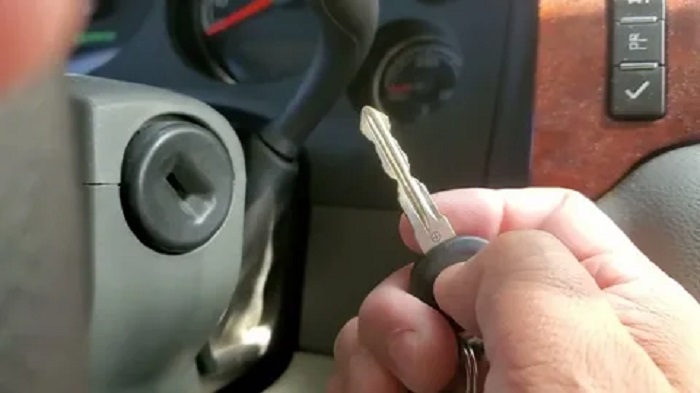
A key stuck in the ignition or door lock is an unpleasant situation, but it can often be resolved without significant expense. The key is to avoid rushing or using force: a sudden tug could snap the key, damage the lock cylinder, or jam the mechanism completely.
Proceed step-by-step k-w locksmith: first, rule out simple causes (steering wheel position, gear selector, dead battery, or dirt in the lock), then move on to gentle methods for freeing the key. If there is a risk of breakage, stop and choose a safer option—even if that means calling a professional.
Where the key is stuck: ignition or door
Identify the location and the symptom: the key won’t turn; it turns but won’t come out; it comes out partially; or it has jammed at the end of its travel. Door lock issues are often caused by dirt, corrosion, or door misalignment; ignition issues often stem from the steering wheel lock, automatic transmission selector, cylinder wear, or power supply problems.
If the key is stuck in the ignition
1) Check the gear selector (automatic transmission): ensure the lever is firmly in the “P” (Park) position. Sometimes the position sensor doesn’t register correctly; move the lever from “P” to “N” and back to “P” while lightly holding the brake, then try to remove the key.
2) Relieve pressure on the steering wheel lock: if the steering wheel is pressing against the locking mechanism, the key may not come out. Gently rock the steering wheel back and forth with a small range of motion while simultaneously turning the key slightly toward the removal position.
3) Check if the key is fully in the “LOCK/OFF” position: sometimes it remains in an intermediate position.
Turn it gently as far as it will go in the allowed direction and try to remove it again.
4) Check the power supply: on some vehicles, a dead battery or an electronic lock malfunction can affect the lock’s operation. If the electronics appear “dead,” try supplying power (jump-start or charge the battery) and then attempt to remove the key again.
If the key is stuck in the door lock
1) Correct any door misalignment: if the door seals are under high tension or the door is misaligned, the lock cylinder may bind. Gently press the door inward near the lock (do not slam it) and try to turn or remove the key.
2) Check the key position: in some locks, the key can only be removed when in a strictly vertical position. Carefully move it to the correct position without jerking.
3) If it is freezing outside: ice may have formed inside the mechanism. Do not pour hot water on it; it will refreeze and worsen the situation. It is better to use a specialized lock de-icer; if none is available, warm the key (moderately) and carefully insert and remove it several times without forcing it.
Summary: what to do if the key is stuck in the car lock
If the key is stuck in the ignition or door lock, the main goal is to relieve tension on the mechanism and avoid using force. Jerking the key or trying to force it usually results in a broken lock cylinder, a snapped key, or a steering lock malfunction.
The safest approach is to rule out simple causes step-by-step (gear selector position, steering lock, debris, key misalignment) before seeking professional help.
This way, you reduce the risk of costly repairs and keep the lock functioning properly.
Quick safety checklist
-
- Stop and release any pressure. Hold the key straight; do not pull at an angle or force it to turn.
- Disengage the steering lock (if the key is stuck in the ignition). Gently rock the steering wheel toward the side with the least play while simultaneously trying to turn the key.
- Check the automatic transmission selector or unlock button. Ensure the gear is in Park (or Neutral, depending on vehicle requirements), press the brake pedal (if applicable), and try again.
- Return the key to the neutral position. If the key is stuck in an intermediate position, gently return it to the starting position without jerking it, then try removing it again.
- Inspect the key. If you notice significant burrs, bending, or cracks, do not keep trying; there is a high risk of it snapping off inside the lock.
- Clean the keyhole. If visible dirt is present, use a blast of dry air to clear it out before trying again.
- Use a suitable lubricant (sparingly). Specialized lock lubricants are acceptable; avoid flooding the mechanism with oil or harsh chemicals.
- Stop immediately if you feel the key binding or catching.
If the key does not move or makes a crunching sound, stop applying force and seek professional help.
- Do not: pull with pliers, strike the key or lock cylinder, heat the lock, overfill it with thick lubricants, or try to force the key out if it is jammed at an angle.
- When to see a specialist immediately: the key is cracked or bent, a piece of the key has broken off inside, the lock jams repeatedly, or you suspect cylinder wear or a locking mechanism malfunction.
In summary, lock safety relies on three rules: avoid using force, relieve tension (check the steering wheel, gear selector, and key position), and stop if you encounter resistance. If this simple procedure doesn’t work, it is better to call an auto electrician or locksmith than to risk breaking the key and having to replace the entire assembly.