
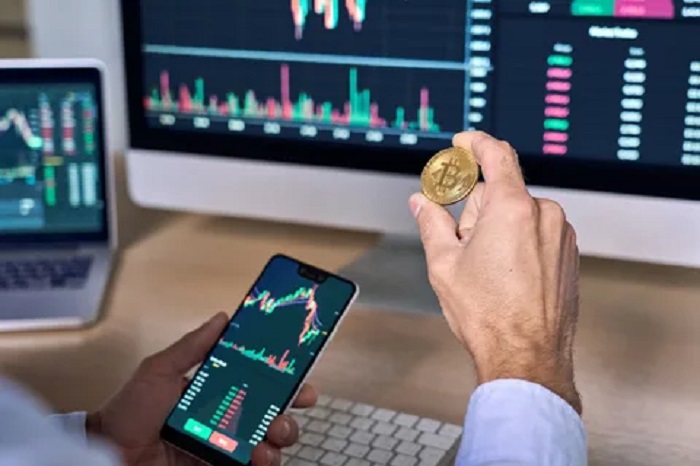
Cryptocurrency exchange is the process of converting one digital asset into another (e.g., BTC to ETH) or into stablecoins to lock in value and facilitate transactions. It is sought after by investors rebalancing their portfolios as well as by users needing to quickly pay for a service, transfer funds between networks, or mitigate volatility risks.
To ensure the exchange crypto swap no-kyc is secure and cost-effective, it is important to know beforehand exactly where you are exchanging your assets: on a centralized exchange, via a decentralized protocol, through a rate aggregator, or using an exchange service.
Different options vary in terms of fees, speed, verification requirements, and the level of control over funds.
How to choose an exchange platform: checking licenses, reputation, and reserves
To minimize the risk of losing funds, it is important to evaluate the platform systematically: check for licenses or registration, research its reputation via independent sources, and ensure there are sufficient reserves (liquidity) to fulfill orders without delays or rate adjustments.
Pre-exchange checklist
1) Licenses, registration, and legal transparency
- Check if the legal entity, country of registration, address, and support contact details are listed.
- Verify the existence of a license or registration (if claimed) and confirm it can be checked in the regulator’s official registry.
- Review AML/KYC terms: what data is requested and under what circumstances a transaction might be blocked or frozen.
- Assess the transparency of rules: availability of a user agreement, privacy policy, fee schedule, and dispute resolution procedures.
2) Reputation and quality of support
- Gather reviews from multiple independent sources and look for recurring issues: delays, exchange rate revisions, disputed charges, or verification problems.
- Check the platform’s age and domain/brand history: sudden rebranding or frequent domain changes are grounds for caution.
- Evaluate customer support: availability of clear communication channels, response speed, and willingness to log inquiries and provide specific timeframes.
- Look for signs of transparency: public reports, outage notifications, clear transaction statuses, and risk warnings.
3) Reserves, liquidity, and proof solvency
- Ensure the service displays reserves for the specific exchange pairs you need and that these reserves comfortably exceed the amount you intend to exchange.
- If available, check for proof-of-reserves or other forms of backing verification (reports, audits, public addresses)—and remember that a mere “screenshot of reserves” does not constitute proof.
- Compare terms for large amounts: insufficient liquidity can lead to split payments, delays, and changes to the final exchange rate.
- Test the service with a small amount before performing the main exchange, especially when using it for the first time or dealing with non-standard exchange pairs.
Bottom line: a reliable platform is one with a clear legal status, a verifiable reputation, and sufficient reserves to handle your transaction volumes. Compare not only the exchange rate but also the rules, operational transparency, and the service’s willingness to demonstrate its solvency; when in doubt, opt for more established providers and start with a test transaction.