
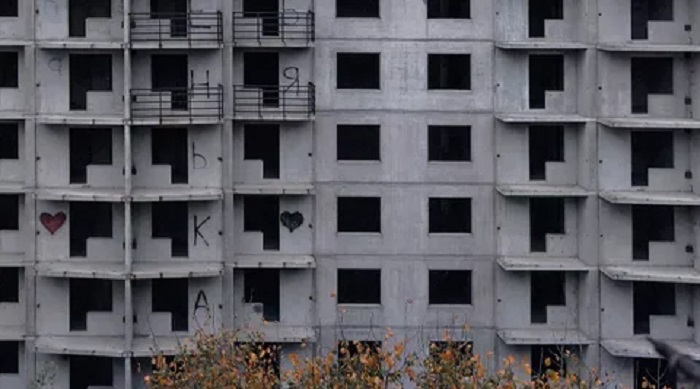
Distressed real estate is a property that has legal, technical, or financial complications that make it difficult to sell, purchase, or operate. Such properties may be attractive in terms of price, but they also pose increased risks for owners and investors. Distressed Real Estate offers the best solutions.
What is Distressed Real Estate
Distressed real estate includes apartments, houses, or commercial premises that have limitations or defects. These may include:
- outstanding utility bills;
- liens;
- ownership disputes;
- physical deterioration of the property.
The main characteristic of such properties is the presence of factors that reduce their liquidity and complicate transactions. You can view foreclosure case details.
Main Causes of Distressed Real Estate
There are several common reasons why a property may become distressed:
- legal disputes;
- financial obligations;
- liens or encumbrances;
- restrictions imposed by the court or government agencies;
- technical condition;
- document errors;
- risks associated with purchasing distressed real estate.
Purchasing such properties can be associated with a number of risks. First and foremost, there’s the possibility of losing your investment due to legal issues. There’s also the risk of protracted litigation or the inability to register ownership.
Furthermore, technical issues, including probate petition, may require significant additional investment in repairs and restoration of the property.
Problem Solving
Despite the complexities, most problems can be resolved with the right approach. Before purchasing, it’s important to conduct a full review of the property’s documents and history. Debt repayment and removal of liens through the relevant authorities can be considered. Dispute resolution can be accomplished through court with the participation of all interested parties. Restoring the property’s technical condition can increase its value. Working with lawyers and realtors can help minimize risks. To reduce the likelihood of purchasing distressed real estate, it’s important to follow a few rules. It’s important to verify documents through official sources, research the property’s history, and not rush into a deal. It’s also recommended to consult with professional agents and lawyers.