
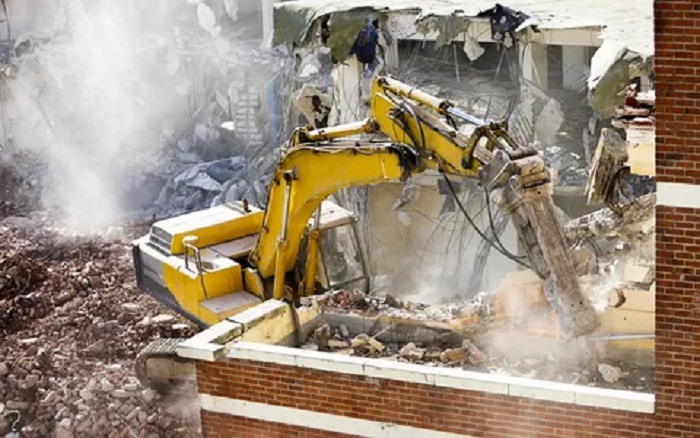
Modern commercial renovations, industrial plant expansions, and adaptive reuse projects require a balanced approach to structural modification and utility preservation. When tearing out old concrete footings or re-routing underground plumbing, project managers must balance heavy-equipment power with surgical precision to keep active facilities safe and operational.
Controlled Structural Removal and Slab Demolition
Removing heavy load-bearing concrete, reinforced foundations, or multi-level floor slabs demands specialized engineering methods rather than brute-force impact. Partnering with certified Concrete Demolition Services ensures that high-risk removal tasks are executed using robotic breakers, diamond wire saws, and controlled hydraulic splitting. These techniques mitigate violent structural shockwaves, preventing micro-fractures in surrounding slabs while allowing contractors to remove massive concrete sections efficiently in tight commercial environments.
Subsurface Utility Assessment and Pipe Diagnostics
Heavy structural work above ground can inadvertently impact buried drainage, sewer, and stormwater infrastructure below the slab. Before and after executing heavy slab removals or foundation penetrations, conducting a comprehensive cctv pipe inspection is essential. High-definition crawler cameras navigate underground pipe networks to map conduits, detect pre-existing cracks, locate structural blockages, and confirm line integrity—preventing costly post-construction plumbing emergencies or regulatory compliance issues.
Environmental Control and Silica Dust Containment
Indoor commercial demolition and core drilling generate significant volumes of fine concrete dust, which poses health hazards and risks damaging sensitive HVAC systems. Professional contractors implement engineered dust-suppression protocols, including continuous wet-cutting equipment, local exhaust ventilation, and industrial-grade HEPA air scrubbers. Meeting strict OSHA crystalline silica standards keeps surrounding operational zones clean, airborne particulates contained, and job sites safe for workers and building occupants.
Operational Continuity and Disruption Management
For occupied spaces such as corporate offices, medical facilities, or retail hubs, heavy construction must adapt to facility schedules. Specialized subcontractors utilize zero-emission electric machinery and hydraulic tools to eliminate toxic exhaust fumes indoors while drastically cutting operational noise. Scheduling high-impact cutting and material haul-away during off-peak hours or overnight shifts ensures project milestones are met without interrupting daily facility operations.
Integrated Subsurface Mapping and Risk Mitigation
Before initiating any heavy slab removal or deep structural cutting, integrating non-destructive Ground Penetrating Radar (GPR) alongside CCTV line surveys provides a complete, 3D map of hidden subsurface hazards. Scanning rebar placement, post-tension cables, and embedded electrical conduit lines prevents catastrophic utility strikes and preserves the structural integrity of surrounding slabs. This dual-diagnostic approach eliminates blind cuts, protects crew members on site, and ensures that precision demolition proceeds exactly according to structural engineering specifications without costly downtime.
Sustainable Concrete Recycling and Waste Stream Management
Modern commercial construction projects increasingly prioritize environmental compliance, waste reduction, and LEED certification standards. The heavy concrete debris generated from selective demolition and diamond cutting does not have to end up in local landfills; professional contractors systematically sort, haul, and recycle mineral rubble into high-grade crushed aggregate suitable for road sub-bases or structural fill. Partnering with a subcontractor committed to responsible debris management helps developers meet strict corporate sustainability metrics while maintaining a clean, organized, and hazard-free job site.