
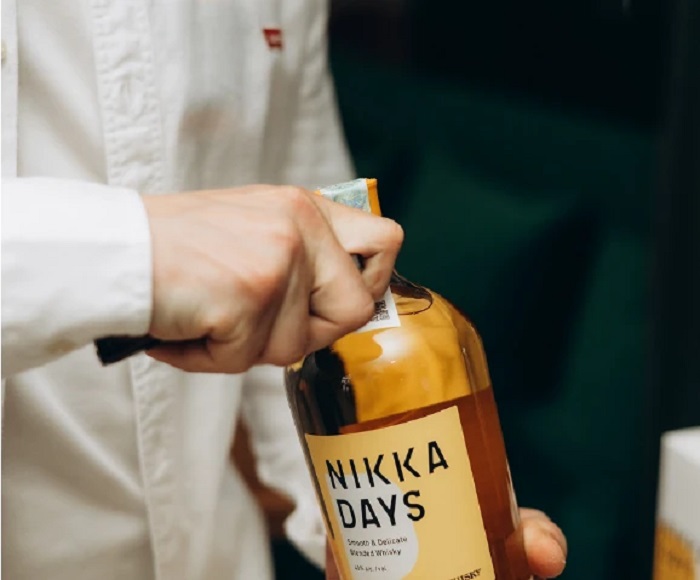
For hotels and resorts, hospitality is about more than comfortable rooms, attractive surroundings, and attentive service. Guests also remember the small interactions that make a stay feel personal: a thoughtful restaurant recommendation, a well-chosen wine pairing, or a staff member who can explain the menu without making the conversation feel formal or intimidating.
Wine service offers hospitality businesses an opportunity to make these interactions more meaningful. However, a well-designed wine list is only part of the equation. Staff members also need the knowledge and communication skills to help guests navigate the selection.
Wine education can provide a practical foundation for this work. By combining product knowledge, tasting skills, and service standards, hotels and restaurants can develop a more consistent approach to wine and create opportunities for professional growth within their teams.
Why Wine Knowledge Matters in Modern Hospitality
Wine can be an unfamiliar subject for many guests. They may recognise a few grape varieties but feel uncertain about regional differences, food pairings, or how to choose a bottle within their budget. Others may have clear preferences but struggle to describe them using traditional wine terminology.
Hospitality professionals do not need to turn every interaction into a detailed wine lesson. Their role is to make the selection process easier and more enjoyable.
A knowledgeable team member can ask a few simple questions, identify the guest’s preferences, and suggest an appropriate option. Instead of relying on the most expensive bottle or a familiar brand, the employee can explain why a particular wine suits the occasion.
This approach is relevant to different hospitality settings. A boutique hotel might want to introduce guests to regional wines, while a beachfront restaurant may need approachable recommendations for seafood dishes. A resort with several dining venues may also need consistent service standards across different teams.
In each case, wine knowledge supports more informed conversations and helps employees respond to different levels of guest expertise.
Three Areas Where Wine Training Makes a Difference
1. More confident guest communication
Staff members sometimes avoid discussing wine because they are afraid of giving incorrect information. Others rely on memorised descriptions that do not help guests make decisions.
Training can give employees a shared vocabulary for describing acidity, sweetness, tannins, body, aroma, and flavour. These concepts become useful when they are translated into everyday language.
For example, instead of describing a white wine as having a particular chemical or technical profile, an employee might explain that it is fresh, crisp, and suitable for someone who prefers lighter wines.
The goal is not to make every employee sound like a professional sommelier. It is to help them communicate accurately, listen carefully, and recommend products with appropriate confidence.
2. Better food and wine recommendations
Food pairing is another practical application of wine education. The interaction between a dish and a wine depends on more than whether the food contains fish, meat, or vegetables. Acidity, sweetness, fat, sauces, seasoning, and preparation methods can all influence the result.
A rich, creamy dish may benefit from a wine with refreshing acidity. A spicy preparation may call for a different approach from a simply grilled version of the same ingredient.
Hospitality teams can apply these principles directly to their menus. Rather than learning an extensive list of supposedly universal rules, employees can taste selected wines alongside representative dishes and discuss the combinations.
This process also encourages collaboration between the kitchen, restaurant management, and the beverage team.
3. Greater consistency across service teams
In larger hotels and resorts, several employees may serve the same wine during a single evening. If each person describes it differently or provides conflicting information, the guest experience can become inconsistent.
A structured training programme helps establish shared expectations. Employees can learn how to explain the wine list, communicate prices clearly, handle common questions, and recognise when a guest would prefer a simple recommendation rather than a detailed explanation.
Managers can reinforce this knowledge through brief team meetings, tasting sessions, and practical exercises. Consistency does not mean making every interaction identical. It means ensuring that the quality and accuracy of service remain dependable across shifts and venues.
How to Introduce Wine Training into a Hotel or Resort
Wine education does not have to begin with a large formal programme. Hospitality businesses can start by identifying the most common service challenges and matching training to those needs.
Assess the team’s current knowledge
Before selecting a course or organising internal sessions, managers should establish what employees already know.
A short assessment might cover the main wines on the current menu, basic storage and serving practices, common food pairings, and the ability to explain options to guests. Informal role-play can reveal communication difficulties that a written quiz might miss.
The results help managers distinguish between knowledge gaps and operational problems. For example, employees may understand wine but lack time to discuss it properly during busy service periods.
Choose a format that fits the operation
Hotels often operate across changing shifts, seasonal demand, and different locations. Scheduling a single classroom session for every employee can therefore be difficult.
Online wine education offers an alternative for learning theoretical concepts at a convenient pace. Teams can use it to develop their understanding of grape varieties, wine regions, production methods, tasting principles, and food pairing.
Managers exploring online sommelier courses can consider how the available learning format and course content align with their team’s responsibilities and experience levels.
Online learning should complement rather than automatically replace practical work. Where possible, employees should also taste representative wines, practise describing them, and apply their knowledge to the property’s actual menu.
Build training around the wine list
A useful training plan connects general wine knowledge to products employees encounter every day.
For each selected wine, staff members can learn the grape variety, region, basic style, serving requirements, and suitable dishes. They should also practise explaining the wine in one or two clear sentences.
A short exercise might ask employees to recommend two different wines for the same dish: one for a guest who prefers fresh, light flavours and another for someone who enjoys fuller-bodied wines.
These exercises help translate theory into decisions that employees can make during service.
Measuring Progress Without Making Unrealistic Promises
Training should have clear objectives, but managers should avoid assuming that education alone will automatically increase revenue or improve guest satisfaction.
A more useful approach is to establish a baseline and monitor practical indicators over time. These might include staff assessment results, confidence when discussing wine, accuracy of menu information, and feedback from supervisors or guests.
Managers can also review whether employees are applying the training consistently and whether the wine list remains appropriate for the property’s clientele.
Commercial indicators may be relevant, but they should be interpreted alongside other factors, including pricing, menu design, guest demographics, seasonality, and service conditions.
If a training programme does not produce the expected operational improvements, the response should be to investigate the underlying barriers rather than simply provide more lessons.
Wine Education as Part of Long-Term Staff Development
Professional development can help hospitality businesses build a stronger internal skills base. Employees who understand wine may be better prepared to take on additional responsibilities involving menu knowledge, beverage service, or guest recommendations.
For individuals, structured learning can also provide a clearer understanding of whether they want to pursue more specialised wine education or develop their existing hospitality careers.
The most effective approach is to treat wine knowledge as an ongoing skill rather than a one-time achievement. New wines enter the list, menus change, and guest preferences vary. Regular tastings, short refreshers, and opportunities to exchange knowledge help teams maintain their skills.
Conclusion: Make Wine Service Useful, Not Intimidating
Wine education is most valuable in hospitality when it solves practical problems. Employees need to understand the products they serve, explain choices clearly, and adapt their recommendations to individual guests.
Hotels and resorts can begin with a focused assessment, introduce learning in a format that suits their operations, and reinforce theoretical knowledge through menu-based exercises and tasting practice.
The objective is not to turn every member of staff into a sommelier. It is to help the team provide informed, approachable, and consistent service. With clear expectations and continued practice, wine education can become a useful part of a wider strategy for staff development and guest experience.
About Matthew’s Wine School
Matthew’s Wine School, presented on its official website as Matthew Wine & Spirit Academy, offers wine education for people who want to develop their understanding of wine. Its educational offering includes online courses covering wine knowledge and related subjects, making the academy a relevant resource for individuals exploring structured wine learning and professional development.